What Is a Credit Bureau and Why Does It Matter?
In the United States, credit bureaus play a crucial role in the financial ecosystem. They are essential for both consumers and lenders, acting as intermediaries that collect, analyze, and share information about individuals’ financial behaviors. Understanding what a credit bureau is and how it functions can help you make informed decisions about your financial health.
What Is a Credit Bureau?
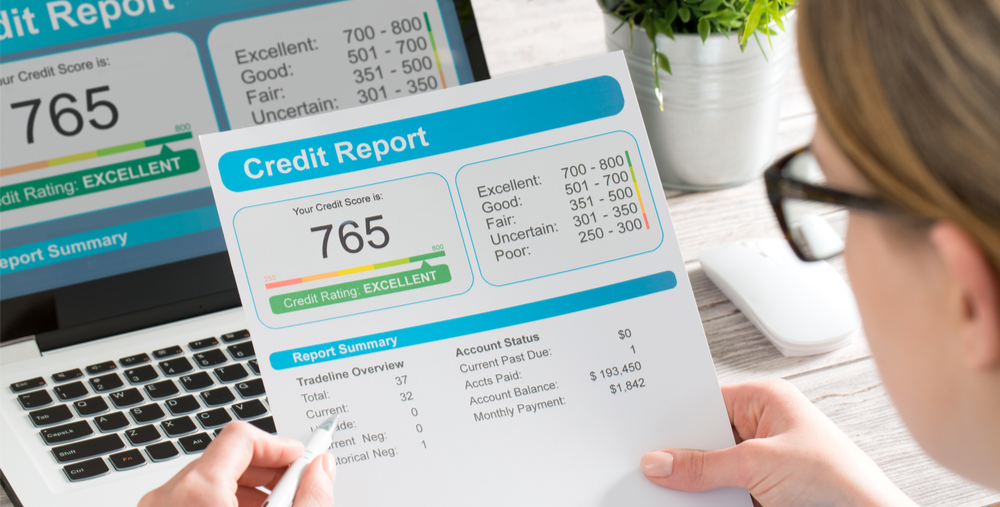
A credit bureau is an organization that collects and maintains records of individuals’ borrowing and bill-paying habits. These entities gather data from various sources, including creditors, lenders, utilities, and public records. This information is then compiled into credit reports, which are used by lenders to assess the creditworthiness of potential borrowers.
Credit bureaus are not the same as credit rating agencies. While credit rating agencies evaluate the creditworthiness of companies or governments, credit bureaus focus on individual consumers. In the U.S., the most well-known credit bureaus are Experian, Equifax, and TransUnion. These agencies operate under the oversight of the Federal Trade Commission (FTC) and are subject to regulations such as the Fair Credit Reporting Act (FCRA).
Key Functions of a Credit Bureau
- Data Collection: Credit bureaus gather information from creditors, lenders, and other financial institutions.
- Credit Reporting: They compile this data into detailed credit reports that include payment history, outstanding debts, and credit inquiries.
- Credit Scoring: Using algorithms, they generate credit scores that help lenders determine the risk associated with lending money to an individual.
- Identity Verification: Some credit bureaus also provide identity verification services to prevent fraud.
How Do Credit Bureaus Work?

Credit bureaus function by collecting data from various “data furnishers,” which include banks, credit card companies, utility providers, and even courts. These data furnishers report information about a consumer’s account activity, such as whether payments were made on time or if there were any late payments or defaults.
Once the data is collected, it is stored in a centralized database. Lenders and other third parties can then access this information to make informed decisions about lending. For example, when you apply for a loan, the lender may request your credit report to assess your ability to repay the loan.
The Role of Credit Scores
Credit scores are numerical representations of a person’s creditworthiness. These scores are calculated based on factors such as:
- Payment history
- Amount of debt owed
- Length of credit history
- Types of credit used
- New credit applications
Lenders use these scores to determine the interest rate and terms of a loan. A higher credit score typically means lower interest rates and better loan terms.
Why Does a Credit Bureau Matter?

Credit bureaus matter because they influence many aspects of your financial life. Here are some reasons why understanding credit bureaus is important:
1. Access to Credit
Your credit report and score determine whether you qualify for loans, credit cards, and other forms of credit. A poor credit history can limit your options and result in higher interest rates.
2. Employment and Insurance
Some employers and insurance companies use credit reports to assess risk. A good credit history can improve your chances of securing employment or receiving favorable insurance rates.
3. Financial Stability
Maintaining a good credit history can lead to greater financial stability. It allows you to secure better loan terms, lower interest rates, and more opportunities for financial growth.
4. Consumer Protection
Credit bureaus are regulated to ensure accuracy and fairness. Consumers have the right to review their credit reports and dispute any errors. This helps protect against identity theft and fraudulent activity.
How to Monitor Your Credit

Monitoring your credit is essential to maintaining a healthy financial profile. Here are some steps you can take:
- Request Free Annual Credit Reports: Under the FCRA, you are entitled to one free credit report from each of the three major credit bureaus (Experian, Equifax, and TransUnion) every year. You can access these reports at AnnualCreditReport.com.
- Check for Errors: Review your credit report for any inaccuracies, such as incorrect personal information or unauthorized accounts.
- Dispute Errors: If you find errors, you can dispute them directly with the credit bureau.
- Monitor Regularly: Consider using credit monitoring services to track changes in your credit report and receive alerts for suspicious activity.
Conclusion

Credit bureaus are vital components of the U.S. financial system. They provide critical information that helps lenders make informed decisions and enables consumers to manage their financial health effectively. By understanding how credit bureaus work and taking steps to monitor your credit, you can protect yourself from financial risks and improve your overall financial standing.