What Is a Digital Wallet? A Complete Guide to Understanding and Using Digital Payment Solutions
In today’s fast-paced digital world, the way we handle money is evolving rapidly. One of the most significant innovations in this space is the digital wallet, a tool that has transformed how we make payments, manage our finances, and even carry our personal identification. Whether you’re shopping online or paying for a coffee at your local café, digital wallets are becoming an essential part of daily life. But what exactly is a digital wallet, and how does it work?
What Is a Digital Wallet?
A digital wallet, also known as an e-wallet or mobile wallet, is a software application that securely stores your payment information, such as credit card details, bank account numbers, and even personal identification. It allows you to make transactions electronically—either online or in-store—without needing physical cards.
Key Features of a Digital Wallet
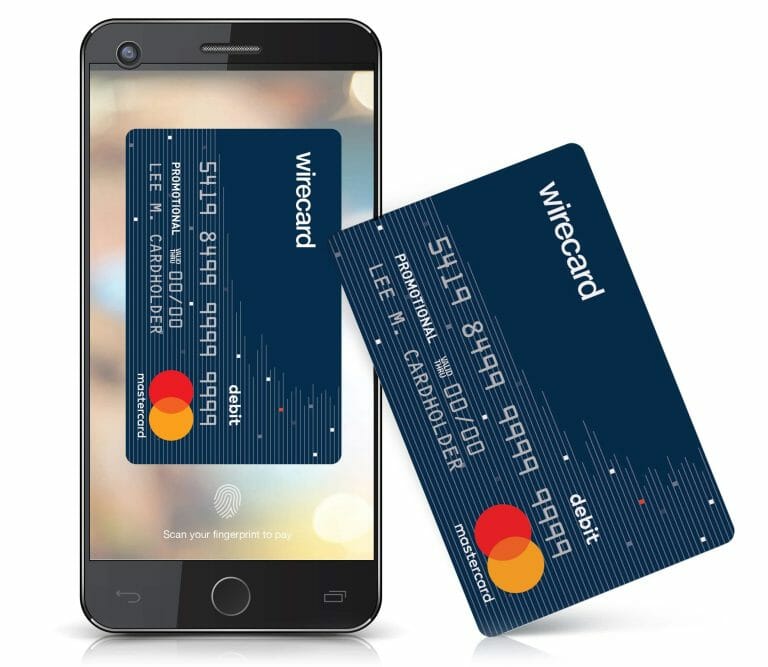
- Stores payment information securely
- Enables seamless online and in-store purchases
- Can hold loyalty cards, gift cards, and digital tickets
- Offers convenience by eliminating the need for physical wallets
Digital wallets are not just limited to financial transactions. Some platforms allow users to store driver’s licenses, health insurance cards, and even cryptocurrency. This makes them a versatile tool for modern consumers.
How Do Digital Wallets Work?
Digital wallets operate using wireless technologies like NFC (Near Field Communication), QR codes, and MST (Magnetic Secure Transmission). These technologies enable secure communication between your device and the point-of-sale terminal.
Here’s a breakdown of the process:
1. You load your payment information into the digital wallet app.
2. When making a purchase, you select the wallet as your payment method.
3. The app uses NFC or another wireless technology to transmit your payment data to the merchant’s terminal.
4. The transaction is processed through payment processors, gateways, and banks to complete the purchase.
This system ensures that your financial information is encrypted and protected, reducing the risk of fraud.
Different Types of Digital Wallets

There are several types of digital wallets available, each with its own unique features:
1. Closed Wallets
These are tied to a specific retailer or service provider. For example, a digital wallet linked to a grocery store can only be used within that store.
2. Semi-Closed Wallets
These can be used at multiple merchants but are restricted to certain networks. Examples include mobile payment apps like Google Pay and Apple Pay.
3. Open Wallets
These are the most flexible and can be used anywhere, similar to traditional bank accounts. They often support multiple currencies and can be linked to various financial institutions.
Popular Digital Wallets in the United States
Several digital wallet services have gained popularity in the U.S., including:
- Apple Pay: Integrated with iPhones and Apple Watches, it uses NFC for secure in-store payments.
- Google Wallet: Allows users to store cards, send money, and make purchases online or in-store.
- Samsung Wallet: Available on Samsung devices, it supports NFC and MST for broader compatibility.
- PayPal: While primarily a peer-to-peer payment platform, it includes a digital wallet feature for storing payment methods.
Each of these services offers unique benefits, from enhanced security to user-friendly interfaces.
Advantages of Using a Digital Wallet
- Convenience: No need to carry physical cards or cash.
- Security: Encrypted data reduces the risk of theft or fraud.
- Speed: Transactions are faster compared to traditional payment methods.
- Additional Features: Many wallets offer loyalty programs, coupons, and digital tickets.
Disadvantages of Using a Digital Wallet
Despite their advantages, digital wallets also come with some drawbacks:
- Not All Merchants Accept Them: Smaller businesses may not have the necessary infrastructure.
- Dependence on Technology: If your phone is lost, stolen, or out of battery, you might be unable to make a payment.
- Security Risks: If your device is compromised, your financial information could be at risk.
Are Digital Wallets Safe?
Security is a top priority for digital wallet providers. Most use advanced encryption, biometric authentication (like fingerprint or facial recognition), and two-factor authentication to protect user data. However, it’s important to choose a reputable provider and keep your device secure.
Future of Digital Wallets
As technology continues to advance, digital wallets are expected to become even more integrated into our daily lives. Innovations like biometric authentication, AI-driven personalization, and blockchain-based transactions are likely to shape the future of digital payments.
Conclusion
A digital wallet is more than just a convenient way to pay—it’s a powerful tool that enhances security, streamlines transactions, and offers a range of additional features. As more consumers adopt this technology, it’s clear that digital wallets will play a central role in the future of finance.
Whether you’re a tech-savvy early adopter or a cautious user, understanding how digital wallets work can help you make informed decisions about your financial transactions. With the right precautions, they can be a safe and efficient way to manage your money in the digital age.