What Is Asset Management? A Complete Guide for Beginners
Asset management is a critical process that involves identifying, acquiring, managing, and optimizing assets to maximize their value and achieve financial goals. Whether you’re an individual investor, a business owner, or a government entity, understanding asset management can help you make informed decisions about your resources. In this guide, we’ll explore what asset management is, its various types, and why it’s essential in today’s complex financial landscape.
What Is Asset Management?
At its core, asset management refers to the systematic approach of managing and maintaining an organization’s or individual’s assets to ensure they are used efficiently and effectively. This includes both tangible assets (like real estate, machinery, and equipment) and intangible assets (such as intellectual property, brand value, and digital content).
The goal of asset management is to maximize the value of these assets while minimizing risks and costs. It involves strategic planning, monitoring, and decision-making to ensure that assets contribute positively to long-term objectives.
Key Takeaways
- Asset management helps in maximizing returns on investments.
- It involves the identification, acquisition, and optimization of assets.
- Different types of asset management cater to specific needs, such as investment, real estate, and digital assets.
- Effective asset management reduces risk and ensures compliance with regulatory standards.
Types of Asset Management
There are numerous types of asset management, each tailored to specific industries, asset classes, and objectives. Here are some of the most common types:
1. Investment Management
Investment management focuses on managing portfolios of securities like stocks, bonds, mutual funds, and hedge funds. The primary objective is to diversify investments across different asset classes to minimize risk and maximize returns. Investment managers use market analysis and financial strategies to make informed decisions on behalf of clients.
2. Real Estate Asset Management
Real estate asset management involves buying, selling, and leasing properties to generate income and increase value over time. This type of management requires careful evaluation of location, market trends, and potential for growth. Real estate asset managers also oversee property maintenance and tenant relations.
3. Wealth Management
Wealth management is designed for high-net-worth individuals who want to grow and preserve their wealth. It includes financial planning, tax strategies, estate planning, and retirement planning. Wealth managers work closely with clients to create personalized strategies that align with their financial goals.
4. Digital Asset Management
Digital asset management (DAM) involves organizing, storing, and protecting digital assets such as images, videos, documents, and software. This is crucial for businesses that rely heavily on digital content. DAM systems help streamline workflows, improve collaboration, and ensure compliance with data security regulations.
5. Fixed Asset Management
Fixed asset management deals with tracking and maintaining physical assets like machinery, vehicles, and buildings. This includes recording asset details, monitoring depreciation, and ensuring proper accounting practices. Fixed asset management is essential for businesses to comply with financial reporting standards.
6. Infrastructure Asset Management
Infrastructure asset management focuses on maintaining and optimizing public infrastructure such as roads, bridges, and utilities. This type of management ensures that infrastructure remains functional, safe, and cost-effective. It often involves long-term planning and coordination with government agencies.
7. Public Asset Management
Public asset management involves managing assets owned by government entities, such as parks, public buildings, and transportation systems. The goal is to ensure that these assets provide maximum value to the public while adhering to budgetary constraints.
8. Enterprise Asset Management (EAM)
Enterprise asset management (EAM) is a comprehensive approach to managing an organization’s physical and digital assets. EAM systems help businesses track inventory, manage maintenance schedules, and optimize resource allocation. This type of management is particularly useful for large organizations with complex operations.
9. IT Asset Management
IT asset management (ITAM) focuses on tracking and managing an organization’s technology assets, including software, hardware, and cloud services. ITAM ensures that all IT resources are utilized efficiently and securely, reducing costs and improving operational performance.
10. Private Asset Management
Private asset management caters to high-net-worth individuals and families who require personalized investment services. These services include portfolio management, tax planning, and wealth preservation strategies. Private asset managers offer tailored solutions to meet the unique needs of their clients.
Why Is Asset Management Important?
Asset management plays a vital role in ensuring financial stability and growth. Here are some reasons why it’s essential:
1. Risk Mitigation
Effective asset management helps identify and mitigate risks associated with investments and operations. By diversifying assets and monitoring market conditions, businesses and individuals can reduce the impact of unexpected events.
2. Cost Efficiency
Proper asset management ensures that resources are used efficiently and cost-effectively. This includes optimizing maintenance schedules, reducing waste, and maximizing the lifespan of assets.
3. Regulatory Compliance
Many industries are subject to regulatory requirements related to asset management. Compliance with these regulations is crucial to avoid legal penalties and maintain trust with stakeholders.
4. Long-Term Growth
By strategically managing assets, organizations can achieve long-term growth and sustainability. This includes reinvesting profits, expanding operations, and exploring new opportunities.
How Does Asset Management Work?
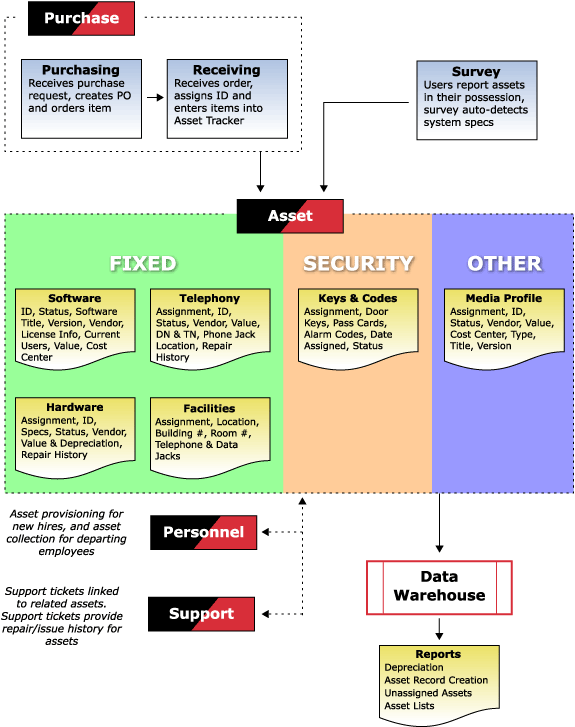
Asset management typically involves the following steps:
- Assessment: Identifying and evaluating the assets that need to be managed.
- Planning: Developing a strategy for acquiring, maintaining, and optimizing assets.
- Implementation: Executing the plan through purchasing, maintenance, and monitoring.
- Monitoring: Continuously tracking the performance of assets and making adjustments as needed.
- Review: Evaluating the effectiveness of the asset management strategy and making improvements.
For businesses, this process often involves using specialized software and tools to streamline operations and improve decision-making.
Conclusion
Asset management is a critical component of financial and operational success. Whether you’re managing personal investments, corporate assets, or public infrastructure, understanding the principles of asset management can help you make informed decisions and achieve your goals. With the right strategies and tools, you can maximize the value of your assets while minimizing risks and costs.