What Is Commodities Trading? A Complete Guide for Beginners
Commodities trading is a complex yet fascinating aspect of the global financial market. It involves the buying and selling of raw materials or primary goods, such as agricultural products, metals, and energy resources. These commodities are traded on specialized exchanges, where their prices are influenced by a variety of factors, including supply and demand, geopolitical events, and economic conditions. For beginners, understanding the basics of commodities trading can be a valuable step toward building a diversified investment portfolio.
Understanding Commodities
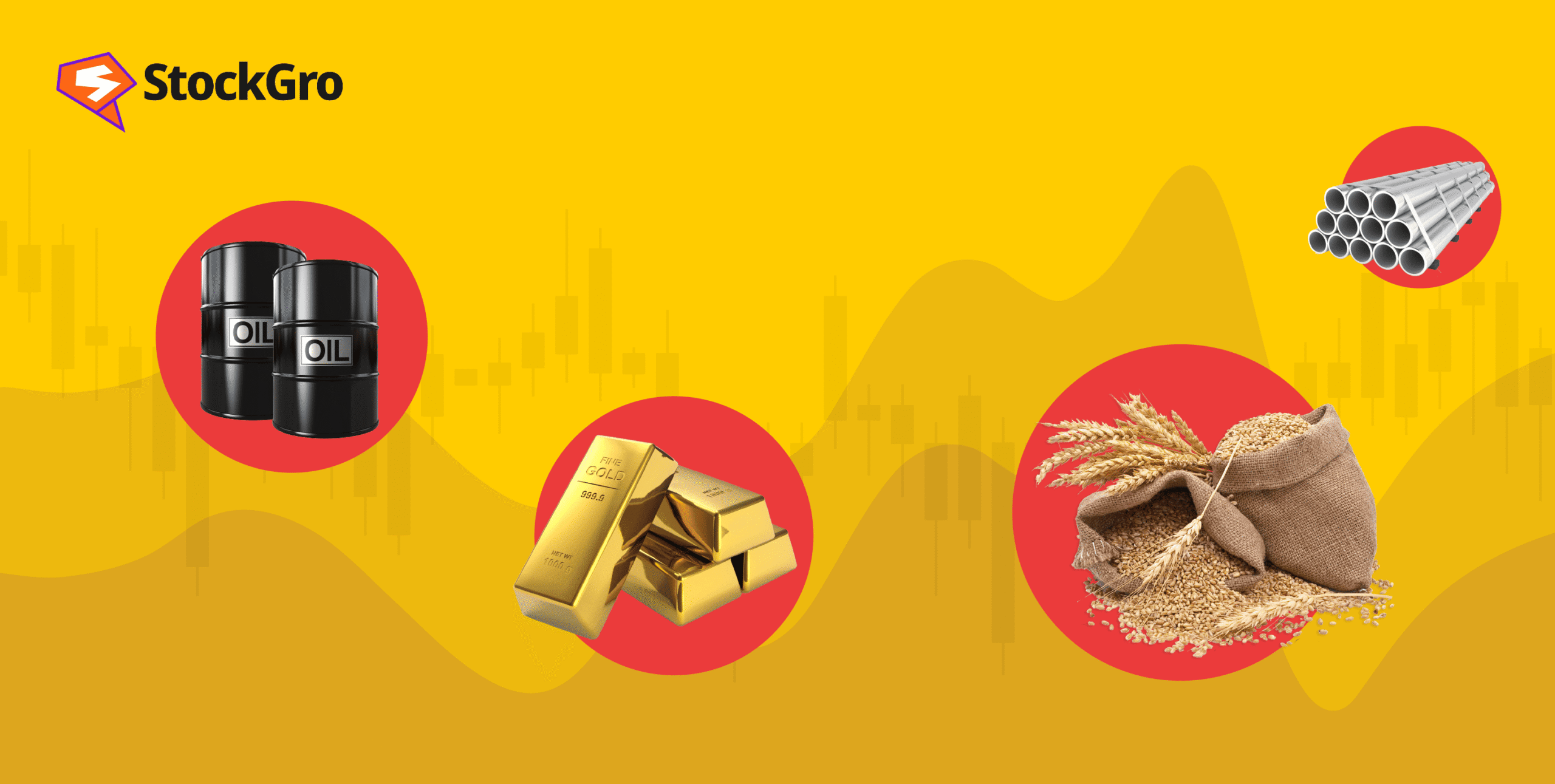
Before diving into the world of commodities trading, it’s essential to understand what commodities are. Commodities are raw materials that are interchangeable with others of the same type. They are categorized into four main types:
- Metals: Precious metals like gold and silver, as well as industrial metals like copper and steel.
- Energy: Crude oil, natural gas, and other fossil fuels.
- Agriculture: Crops such as corn, wheat, soybeans, and livestock.
- Soft Commodities: Agricultural products like coffee, sugar, and cotton.
Each of these categories plays a crucial role in the global economy, and their prices are often affected by factors such as weather patterns, political instability, and economic growth.
Key Players in the Commodity Market
The commodity market involves a wide range of participants, each with different motives:
- Producers and Consumers: These are the individuals or companies that use commodities in their operations, such as farmers who grow crops or manufacturers that use metals.
- Hedgers: These are entities that use futures contracts to protect themselves from price fluctuations. For example, an airline might hedge against rising fuel prices.
- Speculators: These traders aim to profit from price movements in the market. They often take on more risk in the hope of achieving higher returns.
- Investors: These individuals or institutions buy commodities as part of a broader investment strategy, often using ETFs or futures contracts.
How Commodities Trading Works

Commodities trading typically occurs through futures contracts, which are standardized agreements to buy or sell a specific quantity of a commodity at a predetermined price on a future date. These contracts are traded on organized exchanges, such as the Chicago Mercantile Exchange (CME) and the New York Mercantile Exchange (NYMEX).
In addition to futures contracts, commodities can also be traded through:
- Options: These allow traders to buy or sell a commodity at a set price within a specified time frame.
- Exchange-Traded Funds (ETFs): These funds provide exposure to commodities without the need to purchase physical assets.
- Contracts for Difference (CFDs): These are derivative products that allow traders to speculate on price movements without owning the underlying commodity.
Popular Commodity Trading Strategies

For beginners, developing a solid trading strategy is essential. Here are some common strategies used in commodities trading:
- Trend Following: This strategy involves identifying and following established trends in the market. Traders buy when prices are rising and sell when they are falling.
- Mean Reversion: This strategy assumes that prices will eventually return to their historical average after periods of divergence.
- Breakout Trading: This involves entering trades when prices break through predefined levels of support or resistance.
- Fundamental Analysis: This strategy focuses on evaluating supply and demand factors, as well as geopolitical and economic indicators, to predict price movements.
Risk Management in Commodities Trading

Risk management is a critical component of successful commodities trading. Here are some key risk management techniques:
- Position Sizing: Limiting the amount of capital allocated to a single trade to reduce potential losses.
- Stop-Loss Orders: Setting a predetermined price at which a trade will be closed to limit losses.
- Diversification: Spreading investments across different commodities to reduce overall risk.
- Hedging: Using futures contracts to protect against adverse price movements.
The Role of Technology in Commodities Trading

Technology has revolutionized the way commodities are traded. Online platforms and trading software have made it easier for individual investors to access the markets. Additionally, algorithmic trading and automated systems have become increasingly popular, allowing traders to execute complex strategies with greater efficiency.
Conclusion
Commodities trading offers a unique opportunity to participate in the global economy. By understanding the basics of commodities, the different trading strategies available, and the importance of risk management, beginners can build a solid foundation for their trading journey. As with any investment, it’s essential to stay informed, continuously learn, and adapt to changing market conditions. With the right approach, commodities trading can be a rewarding and profitable endeavor.