What Is Credit History and Why Does It Matter?
Your credit history is more than just a number—it’s a reflection of your financial behavior and responsibility. Understanding what credit history is and how it impacts your life can be the difference between securing a loan, getting approved for a credit card, or facing rejection due to poor financial habits. In the United States, credit history plays a pivotal role in almost every aspect of financial life, from renting an apartment to applying for a mortgage. Let’s break down what credit history is, why it matters, and how you can maintain a strong one.
What Is Credit History?
Credit history is a record of your financial behavior, particularly how you manage debt and repay it. This includes details such as:
- Payment history: Whether you’ve paid your bills on time.
- Credit accounts: The types of accounts you have (e.g., credit cards, loans).
- Amounts owed: How much debt you currently carry.
- Credit utilization: The percentage of your available credit that you’re using.
- Length of credit history: How long your credit accounts have been open.
- New credit inquiries: How many times you’ve applied for new credit recently.
Your credit history is compiled into a report by credit bureaus like Experian, Equifax, and TransUnion. These reports are then used to calculate your credit score, which is a three-digit number that lenders use to assess your creditworthiness.
Why Does Credit History Matter?

Your credit history is a key factor in determining your financial opportunities. Here’s why it matters:
1. Loan Approval
Lenders use your credit history to decide whether to approve your loan application. A good credit history shows that you’re responsible with money and less likely to default on payments.
2. Interest Rates
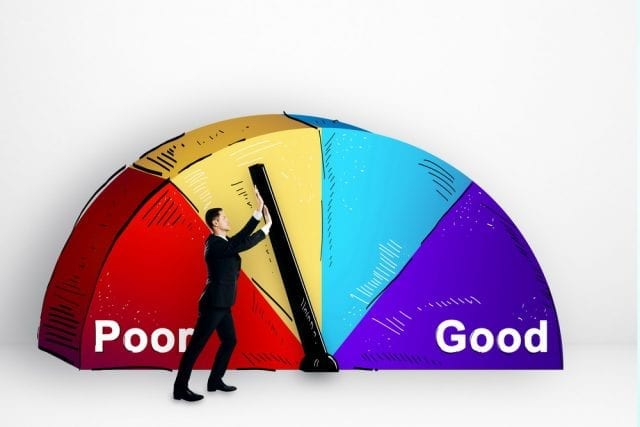
A strong credit history can help you secure lower interest rates on loans and credit cards. This means you’ll pay less over time, saving you money.
3. Credit Card Approval
Credit card companies look at your credit history to determine if you qualify for their cards. A poor credit history may result in higher fees or even denial of service.
4. Renting an Apartment
Landlords often check your credit history before approving a rental. A bad credit history could make it harder to find a place to live.
5. Employment Opportunities
Some employers conduct credit checks as part of the hiring process. While not all jobs require this, it’s something to be aware of, especially in industries like finance or government.
How to Build and Maintain a Good Credit History

Building a strong credit history takes time and discipline. Here are some steps you can take:
1. Pay Bills on Time
Late payments can significantly hurt your credit score. Set up reminders or automatic payments to ensure you never miss a due date.
2. Keep Credit Utilization Low
Try to keep your credit card balances below 30% of your available credit limit. High utilization can signal financial instability.
3. Avoid Opening Too Many Accounts
Each new credit account can lower your average credit age and increase the number of hard inquiries on your report. Only apply for credit when necessary.
4. Check Your Credit Report Regularly
You’re entitled to a free credit report once per year from each of the three major credit bureaus. Review these reports for errors or signs of fraud.
5. Use Credit Responsibly
If you don’t have a credit history, consider becoming an authorized user on someone else’s credit card or using a secured credit card to build credit.
Consequences of a Bad Credit History

A poor credit history can have serious consequences. Here are some of the potential issues:
- Higher Interest Rates: You may end up paying more in interest on loans and credit cards.
- Difficulty Getting Approved: Lenders may deny your applications for credit or loans.
- Limited Financial Options: You might face restrictions on the types of credit you can access.
- Higher Insurance Premiums: Some insurance companies use credit scores to determine rates.
- Employment Challenges: As mentioned earlier, some employers check credit histories.
How to Repair a Bad Credit History

If you have a bad credit history, there are steps you can take to improve it:
- Pay All Bills on Time: Consistently making payments can gradually improve your credit score.
- Reduce Debt: Paying down existing debts can lower your credit utilization ratio.
- Limit New Credit Applications: Each new application can temporarily lower your score.
- Dispute Errors: If you find inaccuracies on your credit report, dispute them with the credit bureau.
- Consider a Co-Signer: A co-signer with good credit can help you get approved for a loan or credit card.
The Role of Credit Scores

Your credit score is a numerical representation of your credit history. It’s calculated based on factors like:
- Payment history (35%)
- Credit utilization (30%)
- Credit age (15%)
- Credit mix (10%)
- New credit inquiries (10%)
Understanding how your score is calculated can help you take targeted actions to improve it.
Conclusion

Your credit history is a powerful tool that influences nearly every aspect of your financial life. From securing loans to renting an apartment, it plays a critical role in shaping your financial future. By understanding what credit history is and how it works, you can take control of your financial health and build a strong foundation for long-term success.