What Is Fintech? The Ultimate Guide to Financial Technology in 2025
Financial technology, or fintech, has become one of the most transformative forces in the global economy. From mobile banking apps to blockchain-based transactions, fintech is reshaping how individuals and businesses manage money, access credit, and engage with financial systems. As we approach 2025, understanding what fintech is, its impact, and its future trajectory is more important than ever.
What Is Fintech?
Fintech refers to the use of technology to deliver financial services more efficiently and effectively. It encompasses a wide range of innovations, including digital payments, robo-advisors, peer-to-peer lending, and cryptocurrency. The term itself is a blend of “financial” and “technology,” highlighting the intersection where traditional finance meets cutting-edge digital solutions.
Fintech is not just about creating new tools—it’s about redefining the entire financial ecosystem. By leveraging data analytics, artificial intelligence (AI), and cloud computing, fintech companies are able to offer personalized financial products, reduce costs, and improve accessibility for underserved populations.
Key Areas of Fintech Innovation
- Digital Payments: Platforms like PayPal, Venmo, and Apple Pay have revolutionized how people send and receive money. These services are fast, secure, and often free, making them a preferred choice for consumers.
- Blockchain and Cryptocurrencies: Technologies like Bitcoin and Ethereum are challenging traditional banking systems by enabling decentralized, transparent, and secure transactions.
- Robo-Advisors: Automated investment platforms such as Betterment and Wealthfront use algorithms to provide personalized financial advice at a fraction of the cost of traditional wealth management.
- Peer-to-Peer (P2P) Lending: Platforms like Lending Club and Prosper connect borrowers directly with investors, bypassing traditional banks and offering more competitive interest rates.
- Open Banking: This model allows third-party providers to access bank data through APIs, enabling the creation of innovative financial products and services.
The Growth of Fintech

The fintech industry has experienced explosive growth over the past decade. According to recent reports, the global fintech market was valued at over $226 billion in 2023 and is projected to reach $917 billion by 2032, growing at a compound annual growth rate (CAGR) of 16.8%.
This growth is driven by several factors:
- Increased Internet Penetration: More people around the world now have access to the internet, enabling them to use digital financial services.
- Mobile Phone Adoption: Smartphones have become the primary tool for accessing financial services, especially in emerging markets.
- Regulatory Support: Governments and regulatory bodies are increasingly recognizing the benefits of fintech and are implementing policies that encourage innovation while ensuring consumer protection.
Fintech Investment Trends
Investment in fintech has also surged. In 2021, venture capital funding reached a record high of $122.9 billion, a 146% increase from the previous year. However, the first half of 2023 saw a decline in investment, with funding dropping to $27.3 billion—a 50% decrease from the previous period.
Despite this fluctuation, the long-term outlook for fintech remains positive. Major players like Visa, Mastercard, and Ant Financial continue to invest heavily in new technologies, while startups are pushing the boundaries of what’s possible in financial services.
The Impact of Fintech on Financial Inclusion
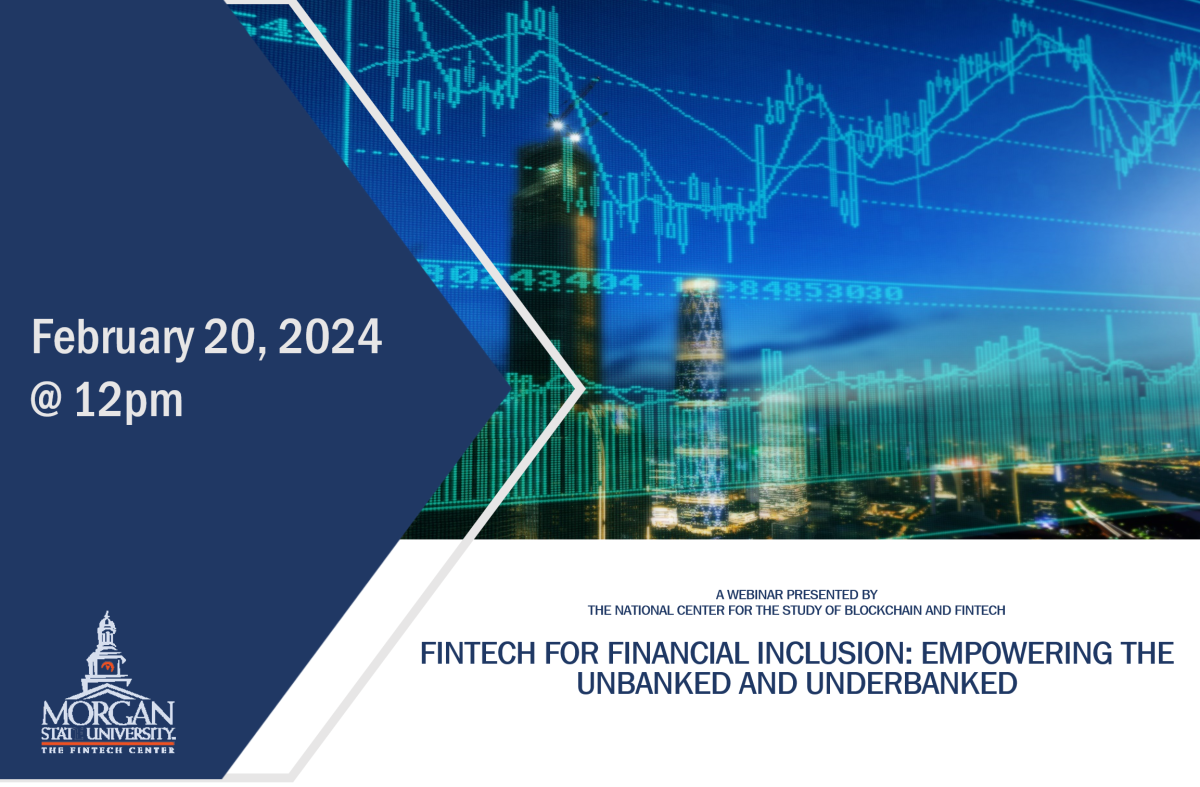
One of the most significant contributions of fintech is its role in promoting financial inclusion. According to the International Monetary Fund (IMF), approximately 1.7 billion adults worldwide still lack access to formal financial services. Fintech is helping to bridge this gap by providing affordable and accessible alternatives to traditional banking.
In countries like China, where 90% of citizens use fintech banking and payment solutions, digital financial services have become an integral part of daily life. Similarly, in Africa, mobile money platforms like M-Pesa have empowered millions of unbanked individuals to participate in the formal economy.
How Fintech Promotes Inclusion
- Lower Costs: Digital services often eliminate the need for physical branches, reducing operational costs and allowing for more affordable services.
- Wider Reach: Mobile technology enables financial services to reach remote and rural areas where traditional banks may not operate.
- Improved Access: Fintech solutions can be accessed via smartphones, making it easier for people without a bank account to manage their money.
Challenges and Risks in Fintech

While fintech offers numerous benefits, it also presents challenges and risks that must be addressed:
- Regulatory Compliance: As fintech evolves, regulators must keep pace with new technologies to ensure consumer protection and prevent fraud.
- Cybersecurity Threats: The rise of digital financial services has also increased the risk of cyberattacks, requiring robust security measures.
- Data Privacy: Fintech companies collect vast amounts of personal and financial data, raising concerns about how this information is stored and used.
- Market Concentration: There is a risk that a few large fintech companies could dominate the market, limiting competition and innovation.
The Role of International Cooperation
To address these challenges, international cooperation is essential. The Bali Fintech Agenda, launched by the IMF and World Bank, outlines 12 key policy elements aimed at harnessing the benefits of fintech while managing its risks. These include fostering competition, modernizing legal frameworks, and enhancing collective surveillance of the global financial system.
The Future of Fintech in 2025 and Beyond

As we look ahead, fintech will continue to evolve in response to technological advancements, changing consumer behaviors, and shifting regulatory landscapes. Emerging technologies like AI, machine learning, and quantum computing are expected to further transform the financial sector, enabling even more personalized and efficient services.
Moreover, the integration of fintech with other industries—such as healthcare, education, and e-commerce—will create new opportunities for innovation and growth. The future of finance is digital, and fintech will play a central role in shaping it.
Conclusion

Fintech is no longer a niche industry—it is a driving force behind the transformation of the global financial landscape. From improving financial inclusion to revolutionizing how we manage money, fintech has the potential to create a more equitable and efficient financial system for all.
As we move into 2025, staying informed about fintech developments will be crucial for individuals, businesses, and policymakers alike. Whether you’re a consumer looking for better financial tools or an entrepreneur seeking to innovate, the world of fintech offers endless possibilities.