What You Need to Know About 401(k) Plans: A Complete Guide
A 401(k) plan is one of the most popular retirement savings vehicles in the United States. Named after a section of the Internal Revenue Code, these plans allow employees to save and invest a portion of their paycheck for retirement. Employers may also contribute to these accounts, offering additional benefits. Whether you’re just starting your career or nearing retirement, understanding how 401(k) plans work is essential for building a secure financial future.
Understanding the Basics of 401(k) Plans
A 401(k) plan is a type of employer-sponsored retirement account that allows employees to contribute a portion of their salary on a pre-tax basis. These contributions are deducted from your paycheck before taxes are applied, which reduces your taxable income for the year. The money then grows tax-deferred until you withdraw it during retirement.
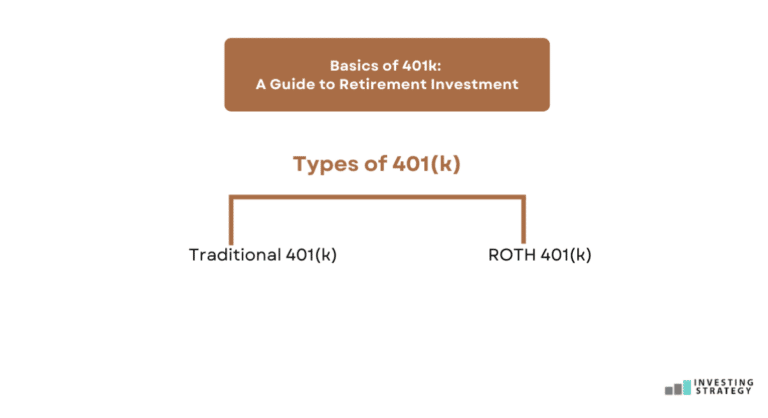
There are two main types of 401(k) plans:
- Traditional 401(k): Contributions are made with pre-tax dollars, reducing your taxable income. Withdrawals in retirement are taxed as ordinary income.
- Roth 401(k): Contributions are made with after-tax dollars, meaning you pay taxes on the money before it goes into the account. Qualified withdrawals in retirement are tax-free.
Both types offer tax advantages, but the best choice depends on your current tax bracket and expected future tax situation.
Key Features of 401(k) Plans
- Tax Deferral: Earnings in a 401(k) grow tax-deferred, meaning you don’t pay taxes on them until you withdraw the money.
- Employer Match: Many employers offer a matching contribution, which is essentially free money. For example, an employer might match 50% of your contributions up to 6% of your salary.
- Investment Options: 401(k) plans typically offer a range of investment options, such as mutual funds, stocks, bonds, and target-date funds.
- Vesting Schedule: Employer contributions may be subject to a vesting schedule, meaning you must stay with the company for a certain number of years before you fully own the employer’s contributions.
Types of 401(k) Plans
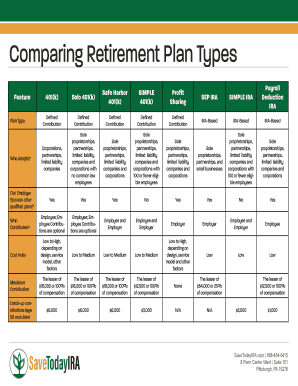
There are several types of 401(k) plans available, each with its own set of rules and benefits:
Traditional 401(k)
This is the most common type of 401(k) plan. Employees can make pre-tax contributions, and employer contributions may be made as well. These plans are subject to nondiscrimination testing to ensure they do not favor highly compensated employees.
Safe Harbor 401(k)
Safe harbor 401(k) plans are designed to avoid the complex annual nondiscrimination tests required by traditional 401(k) plans. They require employers to make fully vested contributions, either as a match or a fixed percentage of employee salaries. These plans are ideal for businesses that want to simplify their retirement offerings.
SIMPLE 401(k)
The Savings Incentive Match Plan for Employees (SIMPLE) 401(k) is tailored for small businesses with 100 or fewer employees. It offers lower administrative costs and simpler rules. Employers must contribute either a matching contribution or a non-elective contribution for each eligible employee.
Contribution Limits and Rules

Each year, the IRS sets limits on how much you can contribute to a 401(k) plan. For 2024, the maximum contribution limit for employees is $23,000, with an additional $7,500 catch-up contribution allowed for those aged 50 and older.
It’s important to note that employer contributions are separate from employee contributions and are subject to different limits. Additionally, the total amount of contributions (employee and employer) cannot exceed the IRS limit, which is currently $69,000 for 2024.
Elective Deferrals
Elective deferrals are the amounts that employees choose to contribute to their 401(k) plans. These contributions are not subject to federal income tax withholding at the time of deferral, and they are not reported as taxable income on the employee’s individual income tax return.
Vesting Requirements
All employees are fully vested in their elective deferrals. However, employer contributions may be subject to a vesting schedule. For example, a plan may require that an employee complete 2 years of service for a 20% vested interest in employer contributions, with additional years of service leading to higher vesting percentages.
Distribution Rules and Penalties

When you retire, you can begin taking distributions from your 401(k) plan. However, there are specific rules governing when and how you can withdraw your money. Generally, you can start taking distributions at age 59½ without incurring a penalty. If you withdraw funds before this age, you may face a 10% early withdrawal penalty in addition to regular income taxes.
Required Minimum Distributions (RMDs)
Once you reach age 73, you are required to take minimum distributions from your 401(k) plan. These distributions are based on your life expectancy and the value of your account. Failing to take RMDs can result in significant penalties.
Roth 401(k) Considerations
If you have a Roth 401(k), qualified distributions are tax-free. This includes withdrawals made after age 59½ and after the account has been open for at least five years. However, if you withdraw earnings before meeting these conditions, you may owe taxes and penalties.
Women and 401(k) Retirement Savings

Women often face unique challenges when it comes to retirement savings. According to recent studies, women earn less than men on average and tend to retire earlier, live longer, and have smaller retirement savings. This creates a financial gap that can be difficult to close.
One major issue is that many women cash out their 401(k) accounts when changing jobs, resulting in lost savings and potential penalties. To address this, a technology solution called auto portability has been developed to help preserve smaller 401(k) balances by automatically transferring them to a new employer’s plan.
Auto Portability
Auto portability is a system that automatically moves a participant’s 401(k) savings from a former employer’s plan to an active account in their current employer’s plan. This helps prevent the loss of retirement savings and ensures that women can continue growing their nest egg.
Conclusion
A 401(k) plan is a powerful tool for building retirement savings, but it requires careful planning and management. Understanding the different types of plans, contribution limits, and distribution rules is essential for maximizing your savings. By making informed decisions and taking advantage of employer matches and other benefits, you can create a secure financial future for yourself and your family.